Hu Weijian
The Longchuan Hu family's medicine reaches him at the twelfth generation, and he is a representative inheritor of Xin'an medicine. The family's notebooks are the ground Huizhou's food culture was built on.
Areas of practice
Huangshan, Anhui · 安徽黄山
The Xin’an school of medicine grew out of villages beneath the Huangshan peaks. Over a thousand years the region produced notable physicians and shelves of medical texts. One family became famous for a single prescription. Spend seven days in that landscape, with forest hot springs, a sacred Taoist mountain and a cup of Keemun tea within reach.
The tradition
Xin'an medicine is a regional school spanning the Song to the Qing — 668 documented physicians, over 400 medical texts. At its heart stands the "Zhang Yitie" family of Shexian, healers for 460 years, whose diagnostic craft is national intangible heritage; the museum their descendants built sits in a Huizhou courtyard village you'll visit.
Around that core, the landscape does half the work: radon hot springs under 90% forest cover, Taoist tai chi on Qiyun mountain — one of China's four sacred Taoist peaks — and tea classes in Qimen, home of one of the world's three great black teas. This is the most scholarly of our four journeys.
Your 7 days here
D1 · Tunxi
Rail or airport pickup, five-star check-in, a light Huizhou-cuisine welcome dinner. Day 2: constitution assessment at the Xin'an medicine center, first Baduanjin class.
D2–6 · Xin'an riverside
Spend five nights at the forest retreat. Start with a chrysanthemum foot bath to get used to the warm water, then bathe in the radon hot springs on three days. The itinerary also includes wellness sessions and massage, Taoist tai chi on Mount Qiyun, a tea class in Qimen and Huizhou herbal cuisine. Consultations are scheduled for days 5 and 7.
D7 · The close and home
Visit Hongcun, a UNESCO World Heritage village, and Huizhou Old Town, then finish with a practice session by the river. Take home an English-language wellness guide with notes on Keemun black tea, tribute chrysanthemum and soup bases. Follow-up continues for 30 days after departure.
Live climate & map
Live readings via Open-Meteo (temperature, humidity, air quality, elevation). Negative-ion level is a long-term regional reference, not a live reading.
A look around
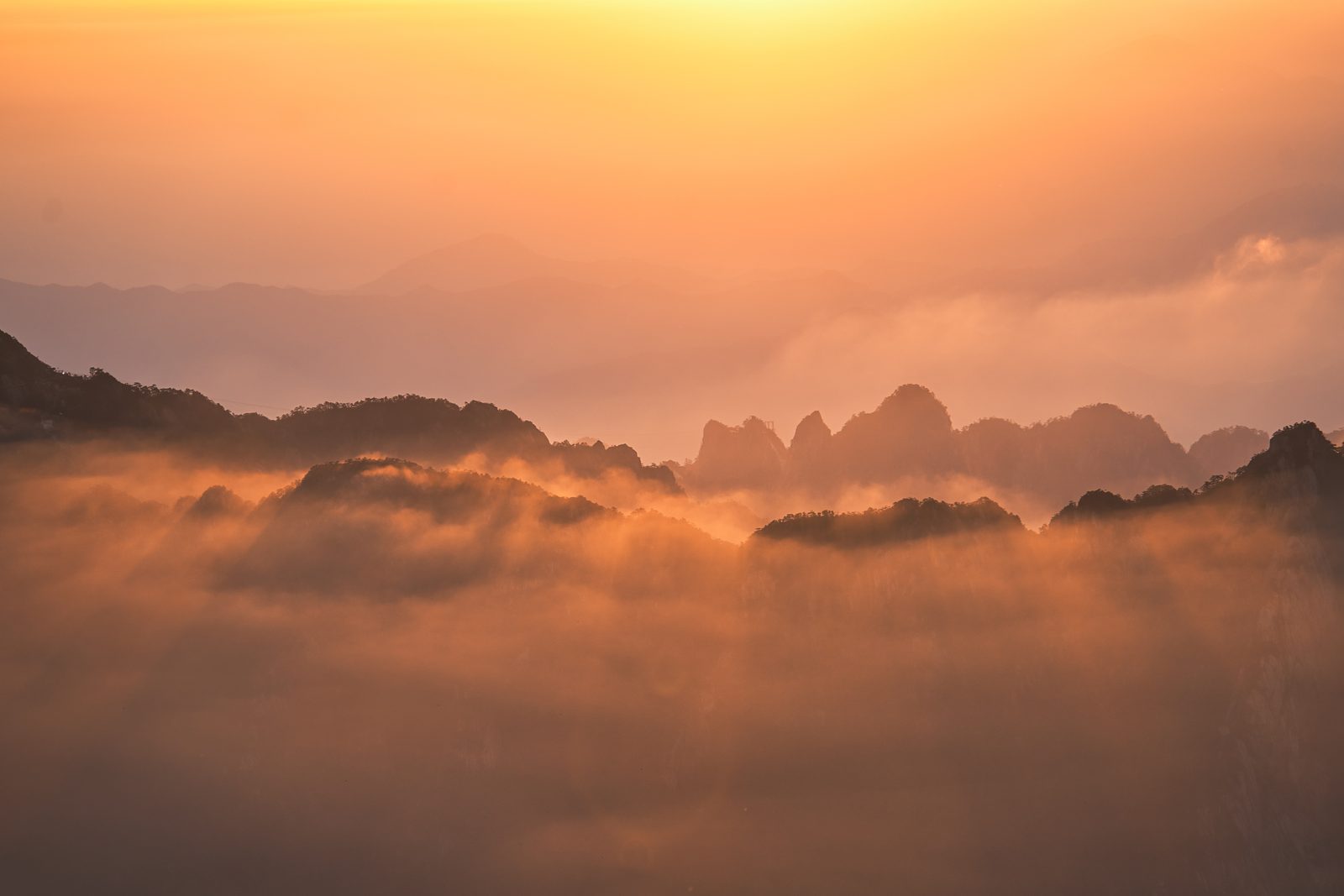
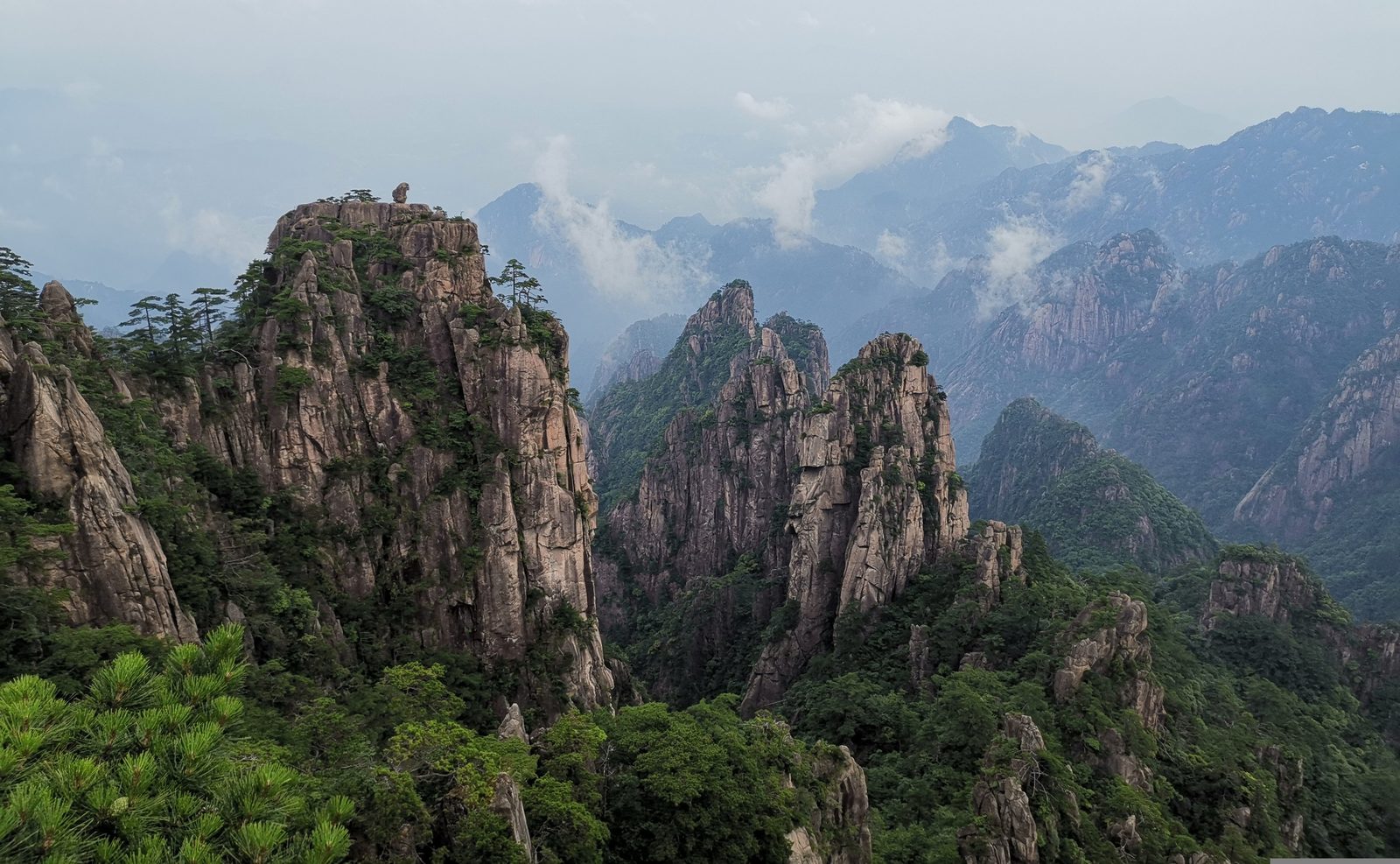
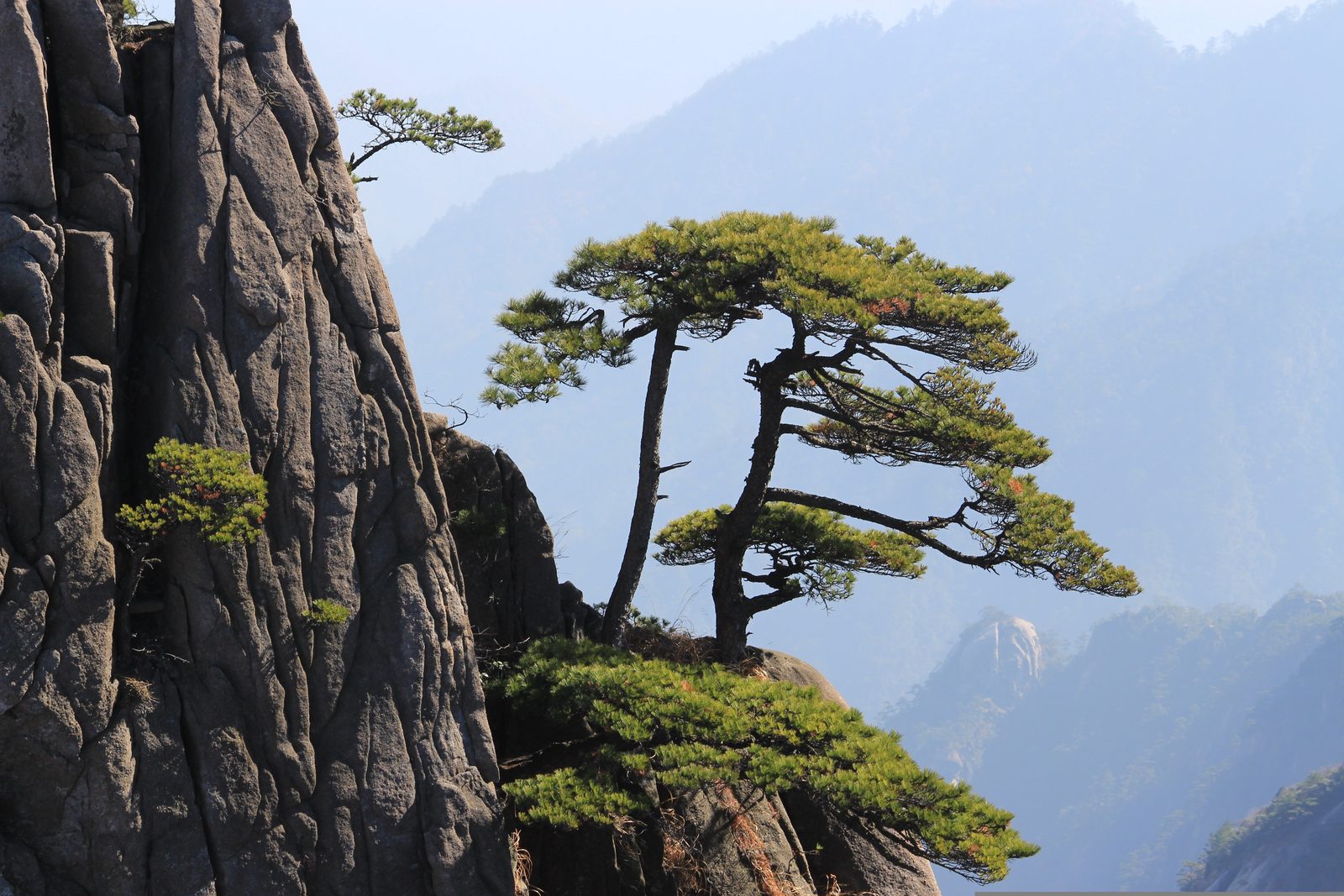
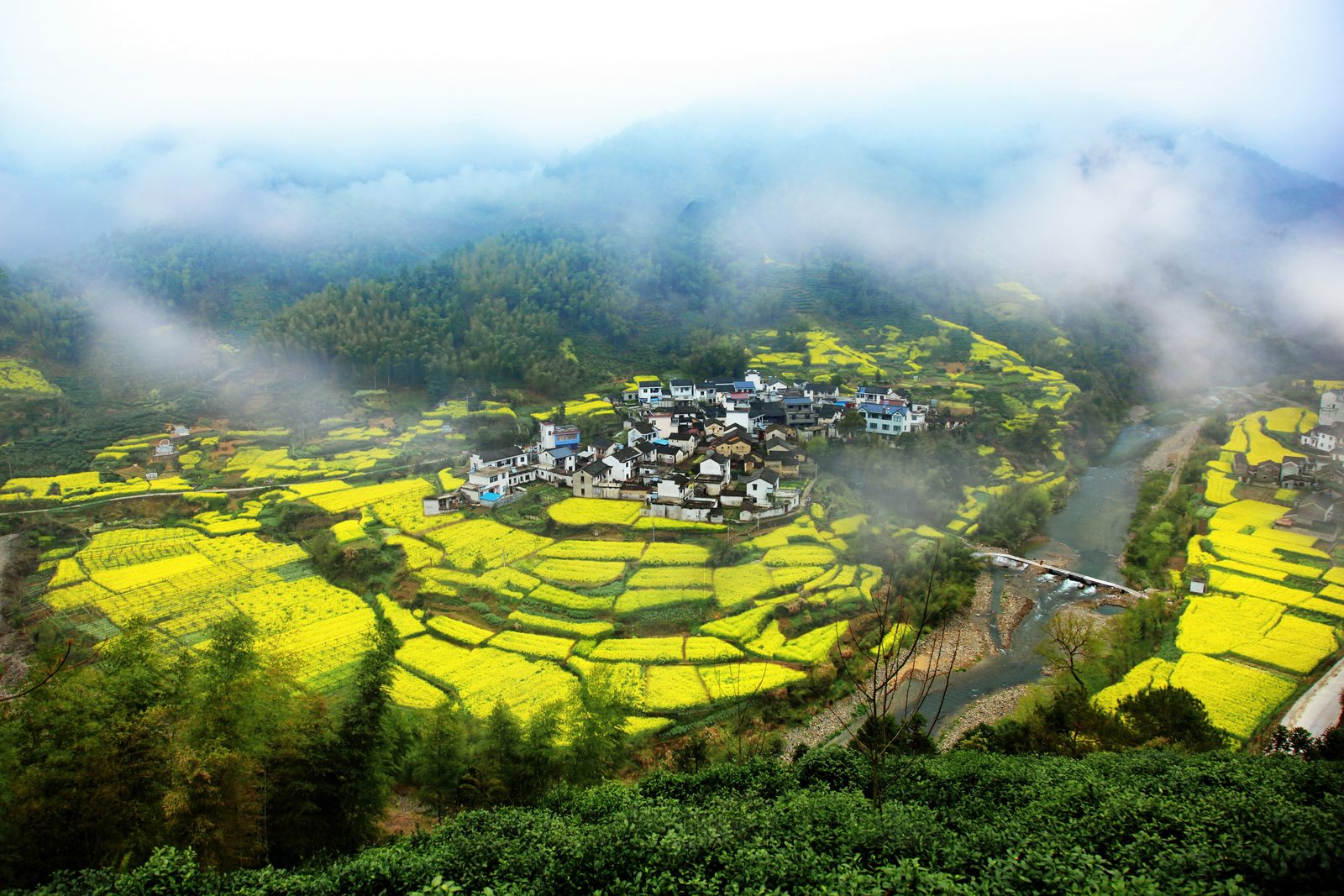
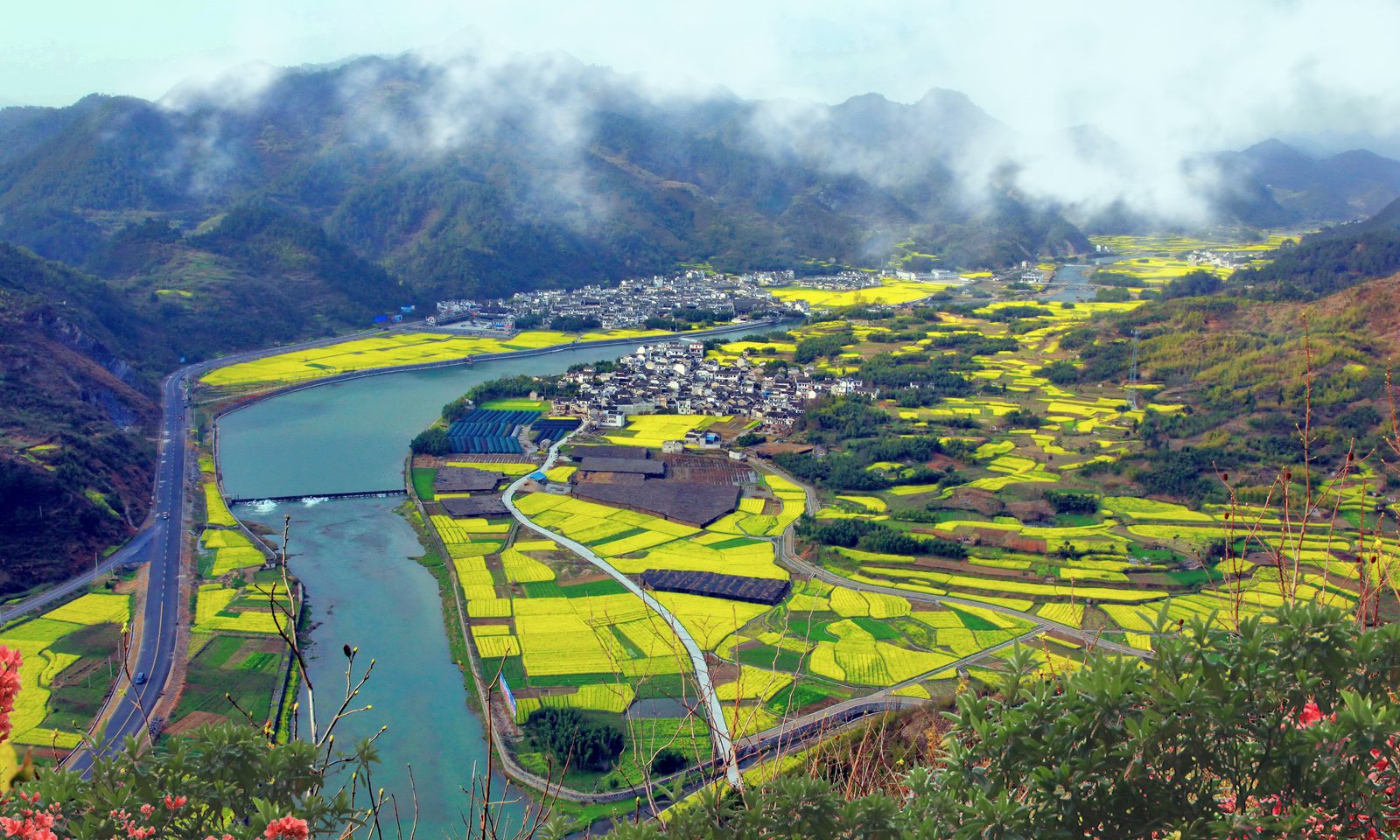
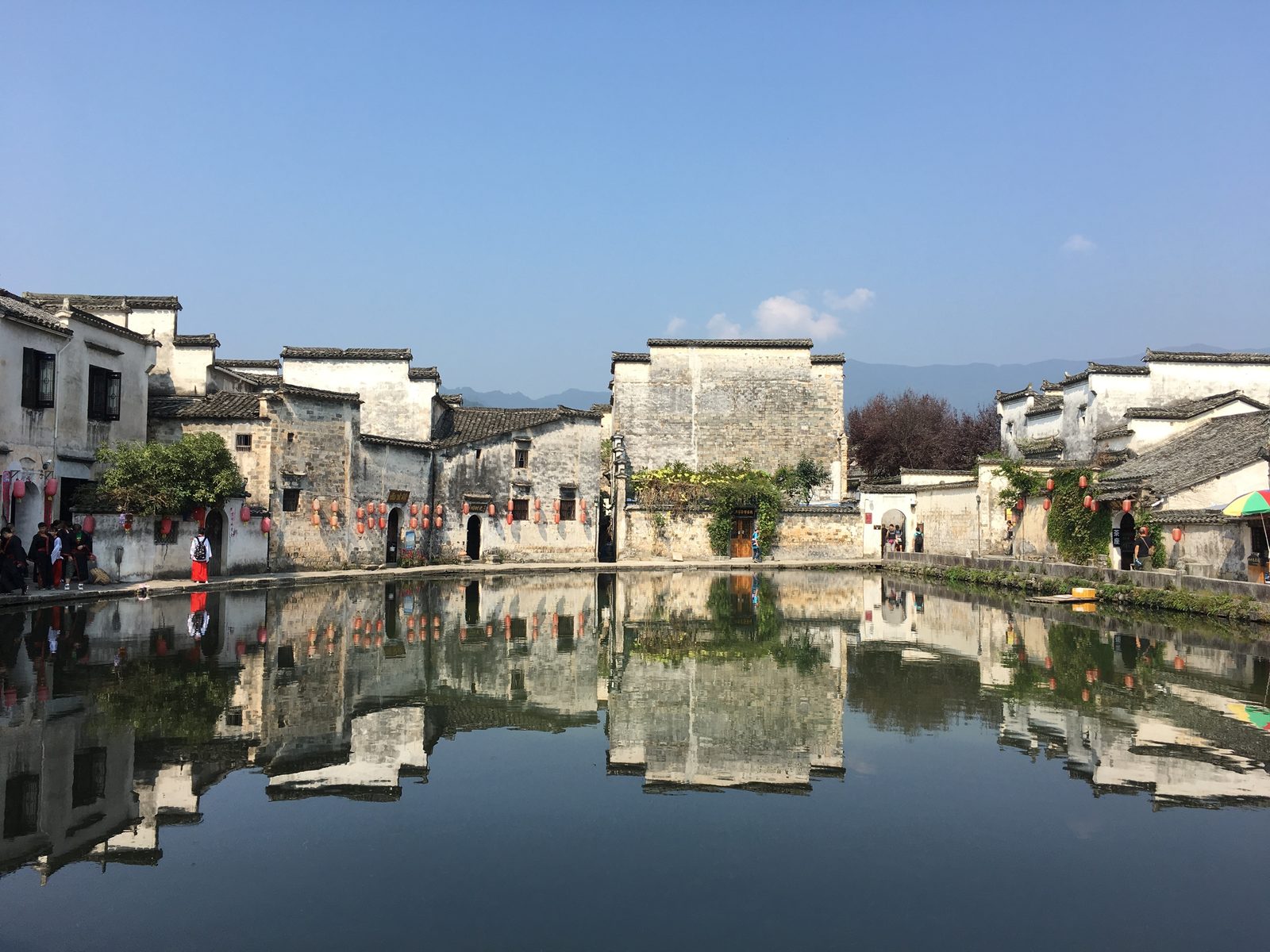
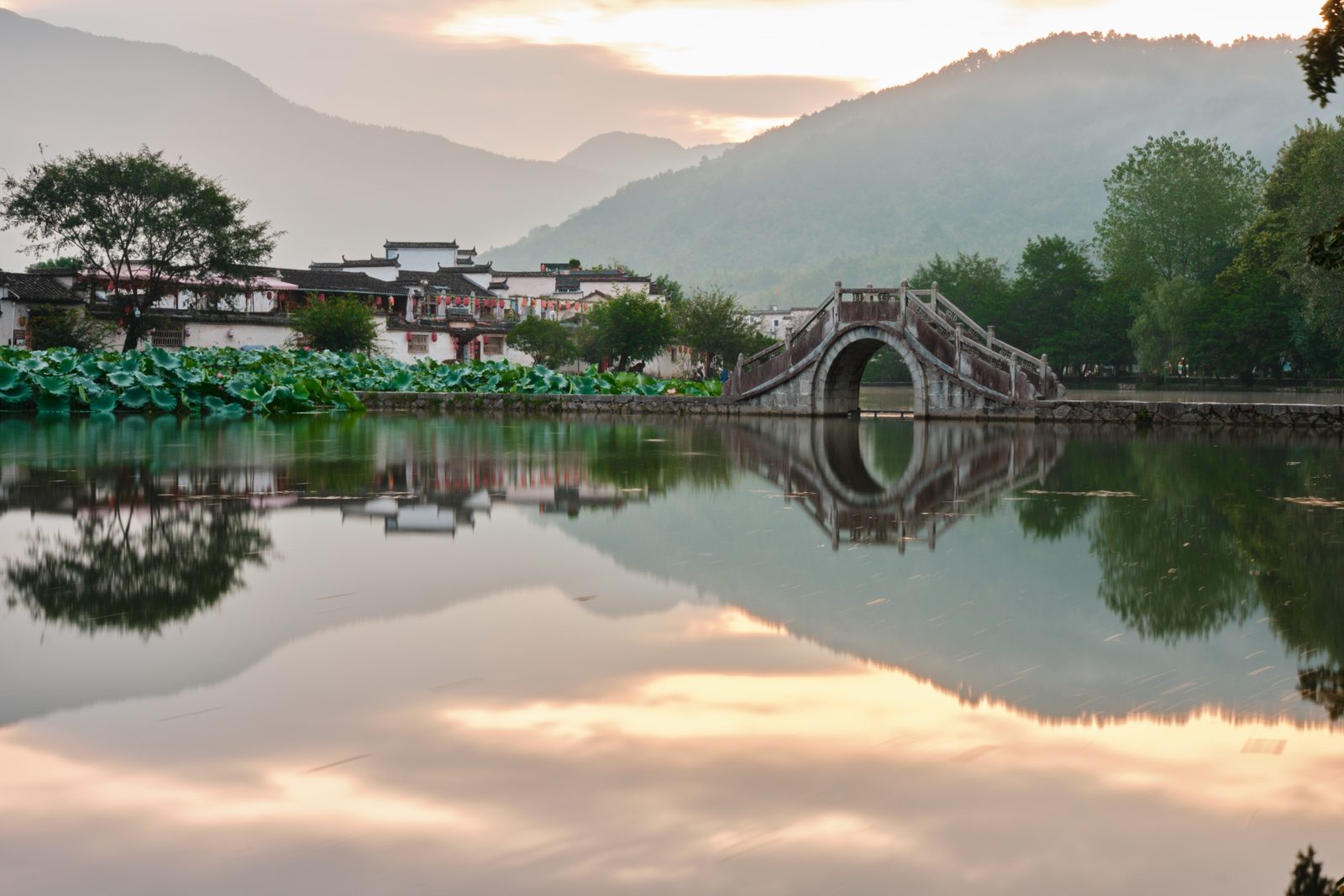
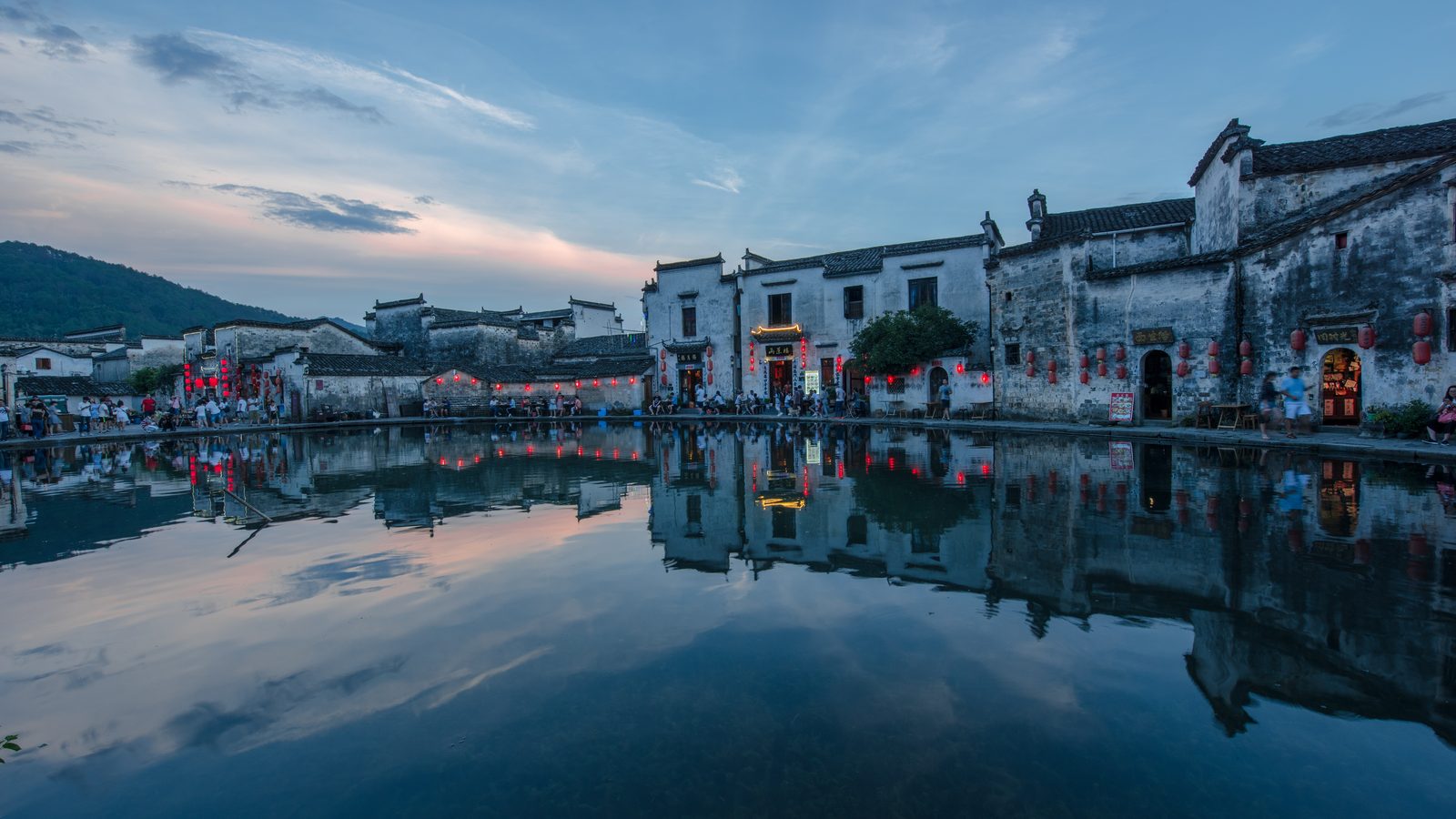
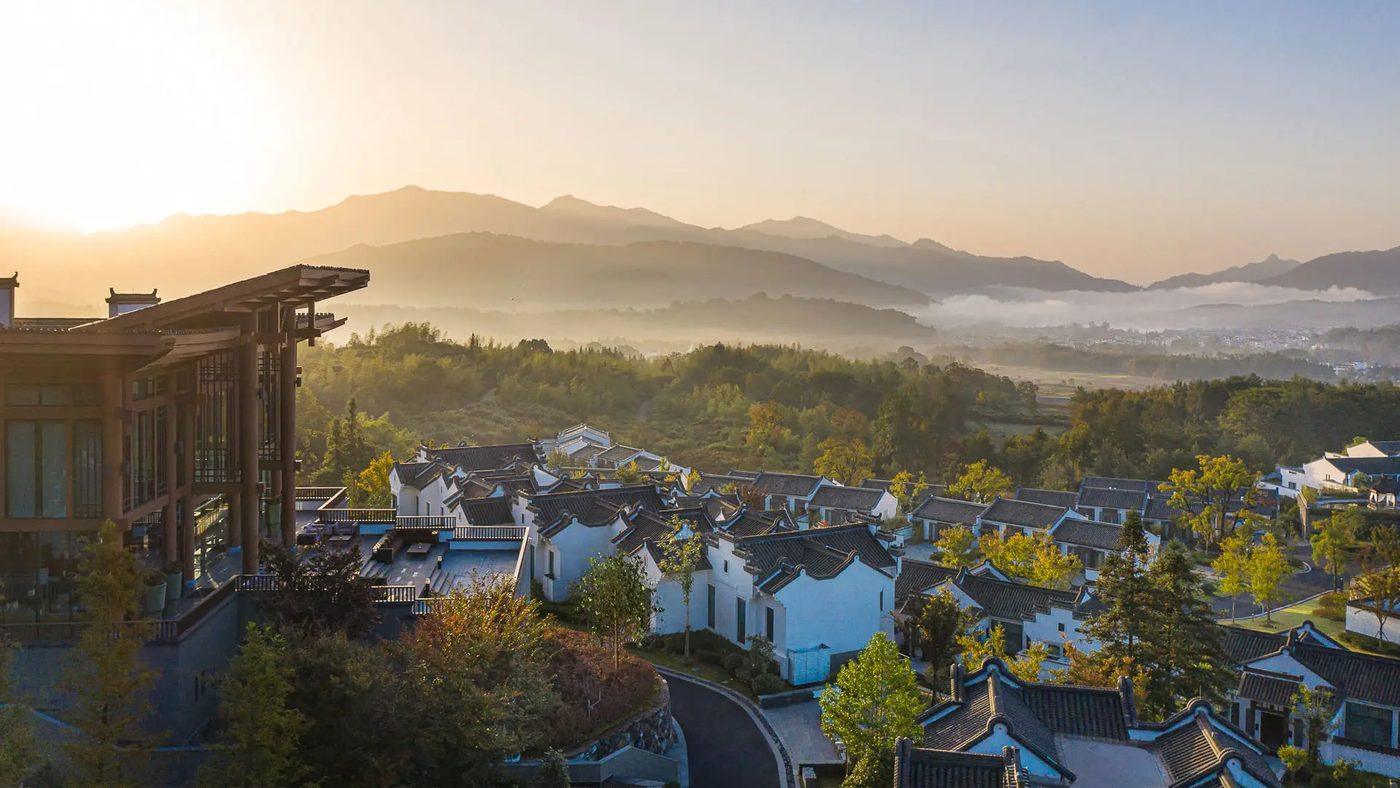
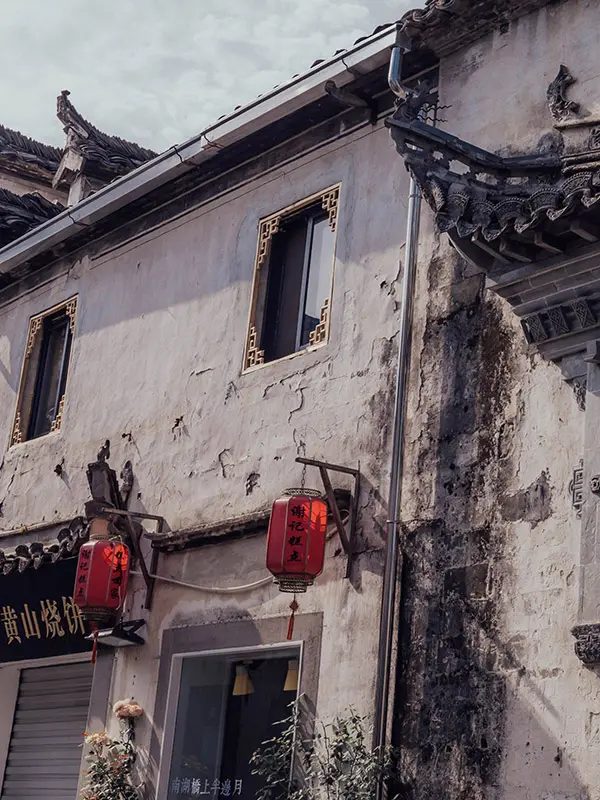
Photography supplied for this project. The peaks are Huangshan; the villages are Hongcun and the countryside around it.
Where you stay
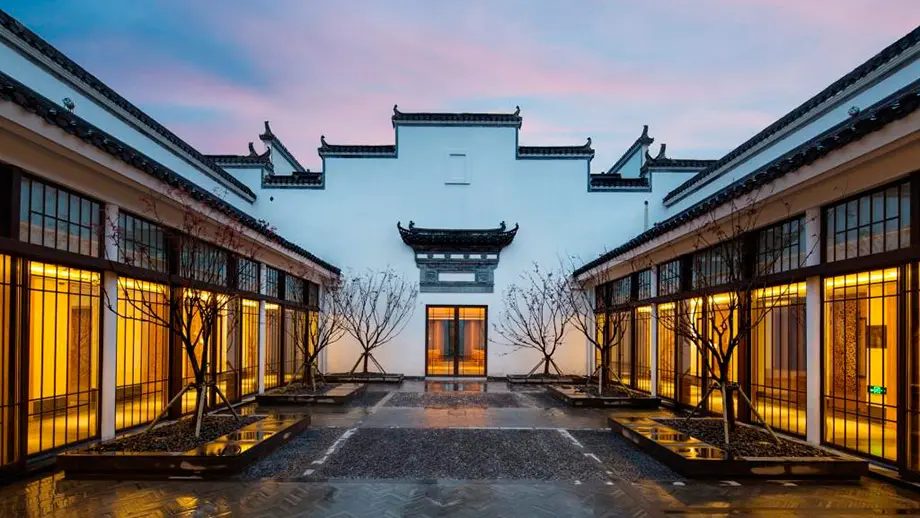
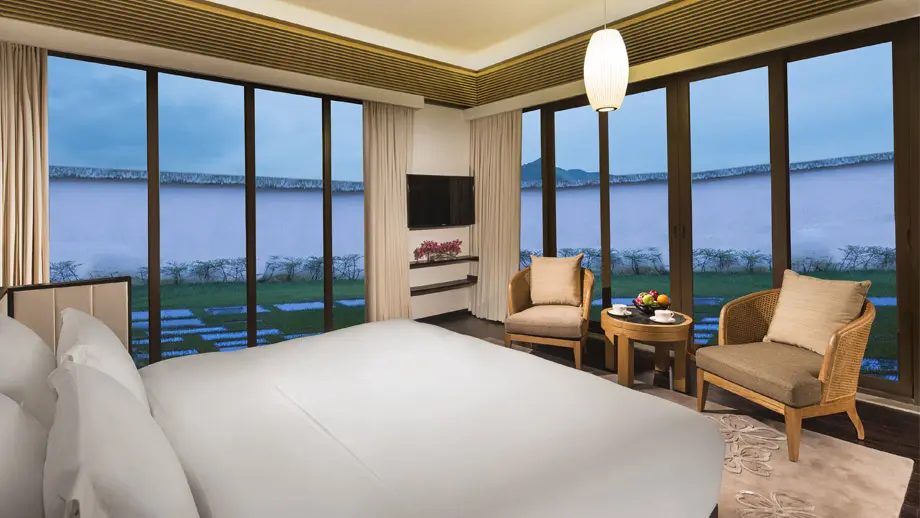
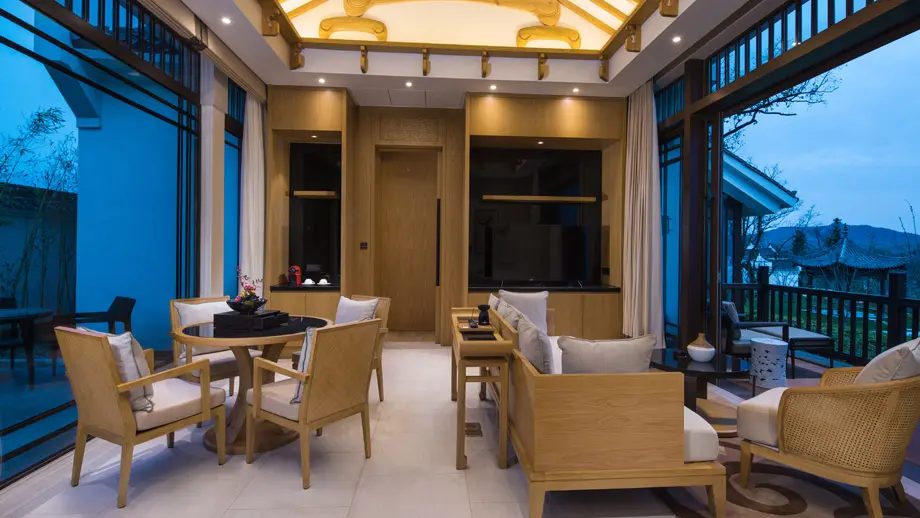
Beside Hongcun village in Yi County, 127 rooms and villas take the form of Hui-style white walls and dark tiles, starting at 66 square metres. The Banyan Tree Spa builds its treatments around Huangshan Maofeng tea, with two UNESCO World Heritage villages close by.
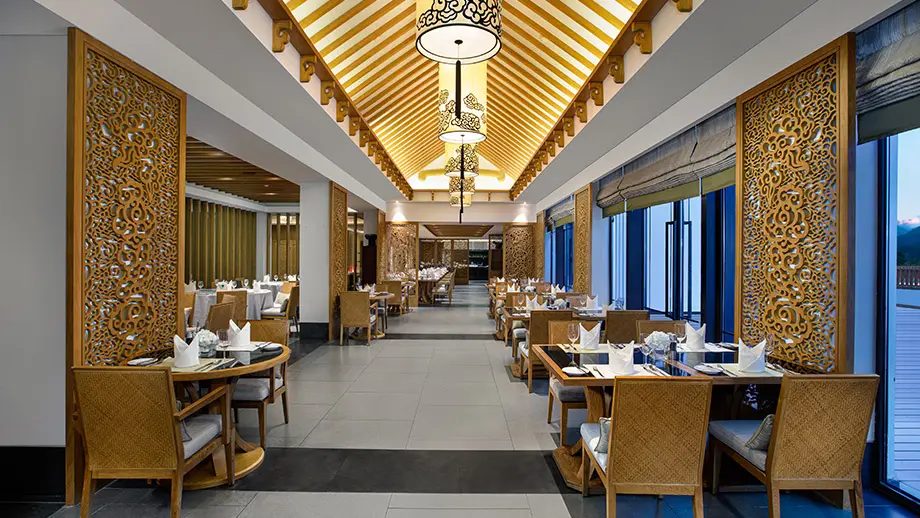
All six photographs below are courtesy of the hotel.
Highlights
The destination
Huangshan, Anhui: the home of Xin'an medicine, Qimen black tea, forest springs and the ink-wash villages of Huizhou.
About 30 kilometres (40 minutes by car) from the south gate of Mount Huangshan. Airport transfers from Tunxi can be arranged with the resort.
Visit the hotel website ↗Images courtesy of Banyan Tree Huangshan. Hotel name and photography are supplied by the owner; written permission is required before public release.
The local tradition
For a thousand years, the scholar families of Huizhou wrote about food, rest and the balance of ordinary days. Their notebooks, household recipes and seasonal almanacs belong to the same landscape as Hongcun and Xidi.
Origins
Xin'an is a textual tradition. Generations copied household recipes, recorded local plants and argued about the place of food and rest in daily life. The old villages still carry that vocabulary, especially in winter customs of preparing nourishing food.
In your seven days
A cup of Keemun black tea, a meal made with what’s in season and a walk through old villages that look brushed in ink. Stay awhile and you’ll see how the pace of life in Huizhou softens after sunset. This is a chance to know the culture through its everyday habits.
These traditions are presented as part of local culture and daily life. Please consult your physician before travelling.
Our local partners
In Huizhou the Xin'an lineage is not a museum piece — it lives in a working hospital. Our Huangshan journeys are shaped with the city's hospital of traditional Chinese medicine, the prefecture's centre for Xin'an medicine inheritance.
Home of the Xin'an Medicine Inheritance Centre, with a national master's workstation and studios for the region's historic family lineages. Each November it holds its herbal-paste festival — a city-wide season of nourishing winter food on the same calendar as your journey.
The organisations introduced here help preserve local traditions. This page describes a cultural wellness experience and does not list medical services. If services from a licensed healthcare provider are arranged, details and a separate agreement will be provided at booking.
Your resident practitioners · Xin'an medicine
Two masters of one Xin'an succession share the week — both reading guests at arrival, writing each a plan, and adjusting it day by day.
The Longchuan Hu family's medicine reaches him at the twelfth generation, and he is a representative inheritor of Xin'an medicine. The family's notebooks are the ground Huizhou's food culture was built on.
Areas of practice
The Cheng Daonan line reaches him at the third generation; he stands in the same Xin'an succession as Hu Weijian. His ground is the spleen and stomach, and the work of replenishing qi and blood.
Areas of practice
Our practitioners introduce the local wellness tradition. The programme is a cultural experience and does not provide medical treatment. If medical services are arranged with a licensed provider, they are agreed and documented separately at booking.
Practical information
This itinerary focuses on the history of Xin’an medicine. Explore a thousand years of written tradition, with practitioners who explain it in sessions accessible to English-speaking guests.
Historic efficacy stories are told as cultural record, not promises. Assessments and treatments stay with licensed practitioners, always.
The retreat sits in >90% forest cover; days are quiet, walks are gentle, and autumn mist over the river is part of the therapy of place.
At the final session, we’ll show you how to use Keemun black tea, tribute chrysanthemum and soup bases at home, explain the local traditions around them, and tell you how to order more.